Sunday, August 26, 2012

Pirograbado, Heat Engravings in Wood & Leather


Macarena Rebolledo Cortés, Temuco, Chile
Website: www.artesaniamandragora.jimdo.com http://www.facebook.com/artesania.mandragora
E-mail: faceartesaniamandragora@gmail.com

Phone: (56)(9) 82054232


Audio Interview:


Bio:


            Macka’s rosy face is beaming, accompanied by a warm smile.  After greeting me with a tight hug and kiss on the cheek, she dives into an overview of her thoughts for the Exhibición de Artesanía Chilena.  Though I originally contacted Macka because her striking leather wallets caught my attention, ideas race from wooden stools and salmon-skin purses to paintings and silver jewelry.  Lost in excitement, she chuckles when she realizes we have accidentally taken a few wrong turns on the way to a café.

            Macka stumbled upon her passion for artesanía after several years of exploring other career paths.  Macka’s love of nature originally inspired her to take up ingenería forestal, or forest engineering, at a private university.  Unfortunately, 2 years into her studies, the university declared bankruptcy, forcing Macka to transfer to another institution and start from scratch.  Upon graduating 4 years later, Macka faced another harsh blow.  Rather than use her education to work on nature preserves as she had planned, Macka could only find work related to chopping down forests in Chile’s growing wood export industry.

            Disillusioned and unsure of what steps to take next, Macka first learned about pirograbando, or heat engravings, when her long-term boyfriend lent her a machine lying around the house.  Macka quickly took to pirograbando, and over the past 5 years, the relaxing hobby slowly evolved into her full-time career.  Although Macka specializes in pirograbado, she has a hand in everything: when visiting her home and rummaging through the variety side-projects she is working on, she clearly embodies one of her favorite sayings “Uno nunca deja de aprender” or “You never stop learning.”  To further illustrate, this past year Macka excitedly took silversmithing courses at the Universidad Cátolica de Temuco and spent several months as an apprentice at a local studio.


Macka Working at Her Apartment in Padre Las Casas, 30 min. outside Temuco


            The lifestyle presents economical challenges, however.  Her voice tinged with regret, Macka wishes she had discovered artesanía much earlier so she could be better off financially now, at 34 years of age.  It takes years to build up expertise and a reputation.  Macka continues, The general public does not value the handmade.  Either that, or they cannot afford artesanía.  When Macka displays her jewelry at fairs, for example, most Chileans opt for cheaper, mass-produced options.  Macka’s work as a silversmithing apprentice also demonstrates her how money is hard to come by: she only earned 100,000 CLP or about $200 USD a month working for her professor 35 hours a week.  Though she spent extra time in the workshop to create her own pieces, bringing in another $400 monthly, she eventually quit so she could focus full-time on her own woodwork. 

            One dominant theme in Macka’s work is an integration of cultural themes, including Indian mandelas, the Mapuche kultrún, and Chile’s native Araucaría Tree.  She also enjoys adapting traditional pieces, such as the Mapuche tupo, or brooch for heavy woolen sweaters to contemporary smaller versions for modern fashions.  Macka is inspired by other cultures and would love to spend time teaching and learning craftwork abroad.  Currently, she lives in a family-owned apartment about 30 minutes away from her parents’ farm and hopes to buy her own house and studio space soon.


Named "Moon," this contemporary piece is integrates traditional Mapuche looms and silversmithing.  Macka won a national prize called X for its design and it was exhibited for a year in Santiago


Process: 


Tracing the Design


Burning the Design


Filling Lathe Hole in Back of Plate

Macka places special orders for plates made from native woods like Rauli  from contacts in Temuco


Book-Binding with Needle & Thread


Adding Leather Binding & Pressing with Weight


Cutting Leather Buttons


Applying Varnish


Other Typical Woodwork: 


Hand-Made Guitars in Valdivia


Luthería Naty Guitar Workshop
by Juan Carlos Moraga Alvarez Luthier, Founder

Chiseled Bowls & Utensils from Villarica

Víctor Manuel Ruiz B. recently traveled to NY to showcase his family's award-winning work


Lake Villarica

borders Pucón, a major tourist destination

Traditional Pirograbado Landscape on Wood Planks


Around Macka's Apartment & Family Farm:


Stray Dog

Meandering stray dogs are ubiquitous in Chile

Araucaría Tree


This tree produces large pine-nuts called piñones, whose meat can be boiled and eaten, ground into flour, or fermented.    Due to these varied uses, the Araucaría is considered sacred in Mapuche culture and inspires Macka.

Volcán Llaima

seen on the drive to Macka's family farm

A Mirror Macka Etched


Macka and her Father


Cacti Macka's Mother Grows and Sells


Crin, Horsehair

Sara Toro Fuentes, Temuco Chile
Website: http://www.maestramadre.cl/
E-mail: maestramadre@gmail.com
Phone: (56)(9) 92670162 - (56)(9) 94477181


Audio Interview: Sara and Guillermina


Bio:


            Sara (pictured center) first learned crin horsehair craftwork from her mother around the age of 7.  Such is the case for most children in her hometown, Rari.  Although the small town’s population weighs in around 600, its residents have passed down the obscure practice for over 300 years.  Historians do not really know how or why crin first appeared, but Sara tells me that to this day, crin remains único, or unique, to Rari.  The news comes of surprise considering how ubiquitous horses are worldwide.

            To Sara, crin and other handmade products are valuable because they possess alma, or soul.  Crin’s mystifying and long-standing cultural history motivate Sara to continue the practice.  To illustrate, this is what her mother, grandmother, and great-grandmother all did: the craftwork is integral to their lifestyle.  Much like the Mapuche weavers I visited, she finds making crin relaxing, and sales help stock the kitchen with staples from her neighbors’ farms.

Bookmarks

            Now the mother of two children, however, Sara worries about the legacy of crin.  More and more people are leaving Rari in pursuit of work opportunities and higher education in cities, like Talca and Santiago.  The owner of the hostel where I stayed sheds light on another perspective, “no vale la pena,” or crin is not worth the effort.  She continues, Crin is beautiful, but I stopped decades ago because it requires diligence, sharp eyesight, and nimble fingers.  “Te agota,”  It is exhausting.  By opening up extra rooms in her two-story home, this woman earns about $12 USD a night per guest: twice the price of each of the labor-intensive crin butterflies displayed.  In other words, crin is hardly profitable, and others in Rari prefer relatively easier, more lucrative jobs.

            In response to a marked decline in crin sales during the 1990s and fears that crin will disappear altogether, Sara spearheaded an artisan collective called Maestra Madre, or Mother Teacher, in 1998.  When I ask for details about the group’s founding, she excitedly recounts how 50 women originally showed up for an informational meeting.  Ultimately, 19 committed to form the final group, and they were pleasantly surprised by how quickly they earned a government grant to design and build their own sede, or headquarters.  Since then, Maestra Madre has developed a strong reputation, featured crin at international venues including Brazil, Argentina, and the United States, and even won an UNESCO award of excellence.  All the while, Sara’s nostalgic speech flows eloquently, subtly revealing the years of practice she has spent pitching Maestra Madre to potential investors, customers, and students.

at the Maestra Madre Salesroom


Brujas, or Witches
Flowers
            According to Sara, the collective is the predominant reason for Maestra Madre’s success.  Even though dozens of crin stands line Rari’s streets, they are the only formal group of artisans.  With Sara as their motivated president, the women of Maestra Madre accept only the highest-quality work from one another, take turns running the storefront, and attend weekly meetings to discuss upcoming events, logistics, funding, and sales.  Highlights of the collective’s community outreach include educational workshops with students from neighboring towns, some of whom have never seen crin before.  Sara laughs, The other day, one boy hid under his desk when we started teaching crin.  He thought it was only for girls, but when we were young, boys and girls did crin here in Rari.  Although Maestra Madre also leads some educational workshops in Santiago and regularly receives invitations to international fairs, Sara explains that running these off-site endeavors proves tricky.  It is hard to leave behind the peacefulness of Rari for long.

            Sporadic Internet connection, limited government funding, remote location, and a less interested younger generation present challenges to the future of crin.  Despite this, Sara and fellow members have high hopes for Maestra Madre and enthusiastically shared ideas for making their collective more accessible, improving sales, and expanding upon their educational programs.


Process:


Raw Material: Horse Hair


Natural Browns & Synthetically Dyed Colors


Mexican Alamo Root Fibers

the native Chilean plant originally used for crin bases became rare over 300 years ago

Preparing the Base


_____ Adding the first "cross" with horse hair to secure base


Weaving a Circle


when one hair runs out, another is simply criss-crossed over to continue weaving


Finishing Borders

a needle is used to pull Alamo roots through woven circle when desired diameter is reached

Extra Alamo Roots are Snipped off with Scissors


Roots can be bent while weaving to create other forms


Around Rari, Panimavida, & Quinamavida:


Street Signs Reflect the Town's History of Crin


Bus Stop


Supermarket Sign


The 2 km walk from Panimavida Bus to Rari


Piedra Toba: Toba Volcanic Rock


Characteristic of Quinimavida, a 10-minute drive from Rari


From my Hostel Window

about 5,000 CLP or $10 USD covers 1 night in the house of Sara's neighbor


Tuesday, August 21, 2012

Additional Photos & Info for Yost Exhibition

Homes along the Carretera, or Highway,from Temuco to Puerto Saavedra
a 90-minute drive


Temuco City from Cerro Ñielol


Apartments on the Outskirts of Temuco, in Padre Las Casas


New Housing Developments in Labranza


Grazing Animals in Labranza's Remaining Pastures


Carahue


Puerto Saavedra


The Pacific Ocean at Puerto Saavedra

*For more on Puerto Saavdera: 


Iconic Shots Around Temuco


Copihue: The National Flower


Volcanoes


Volcán Llaima outside Temuco


Araucaría Tree
Temuco lies in Araucanía, Chile's IX Region named for this tree


Lago Villarrica

Borders Pucón, a Major Tourist Destination


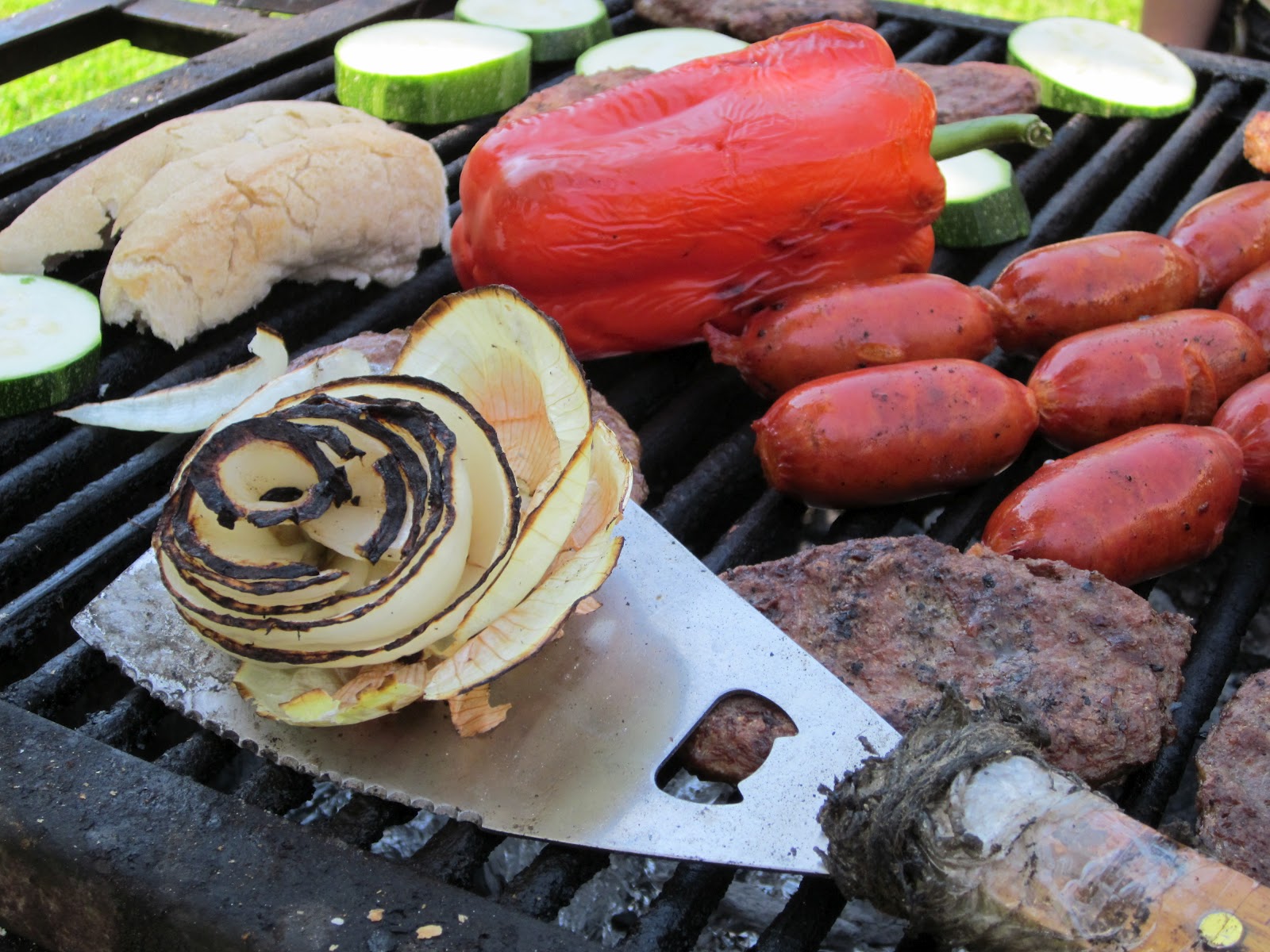
Asado

Summer BBQ's


Ají 

Peppers, used to make Traditional Pebre, or Salsa


Farm Fresh Eggs


The Marketplace


Stray Dogs


Caupolicán

A Legendary Mapuche Hero


Av. Caupolicán con M.Montt

The Heart of Temuco


The Micro Bus